Why Seniors Don't Want to Leave Home (It's Not What You Think)
Your parent won't even discuss it. The moment you bring up a move, the conversation shuts down—or worse, escalates into an argument that leaves everyone feeling hurt and helpless. You've started to wonder if stubbornness is just part of who they are now. It isn't. And once you understand what's really driving the resistance, everything changes.
The refusal to leave home is almost never about the house itself. It's about what the house represents—and what leaving it might mean.
Home Is Identity, Not Just Address
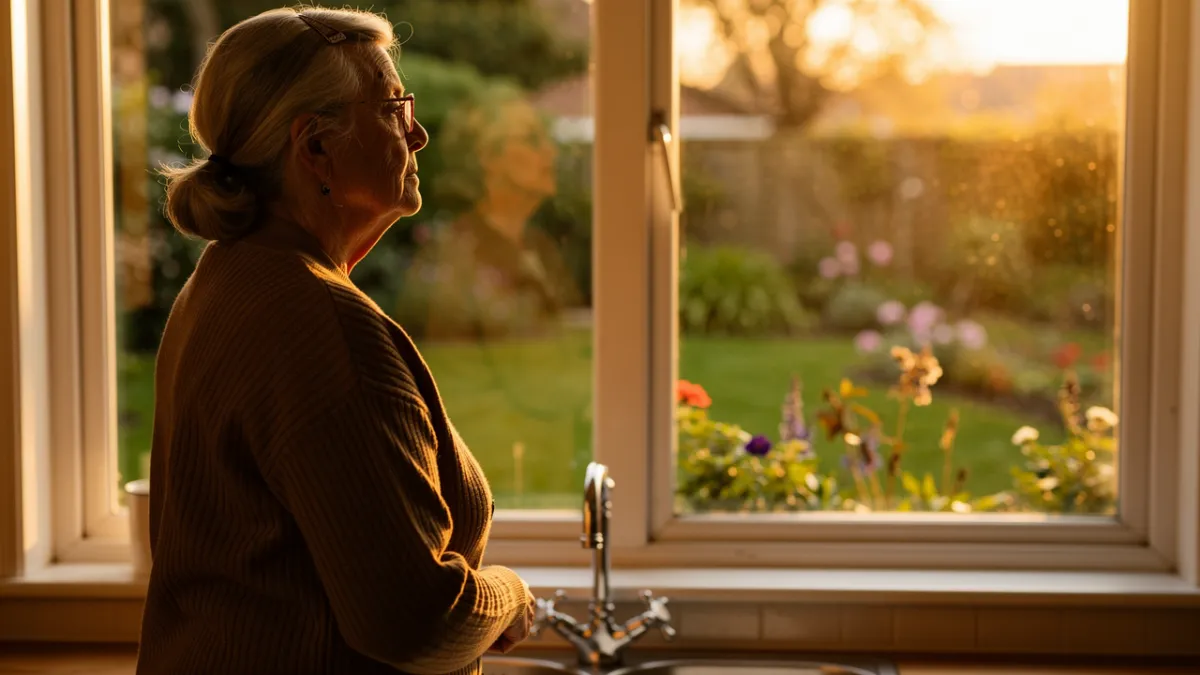
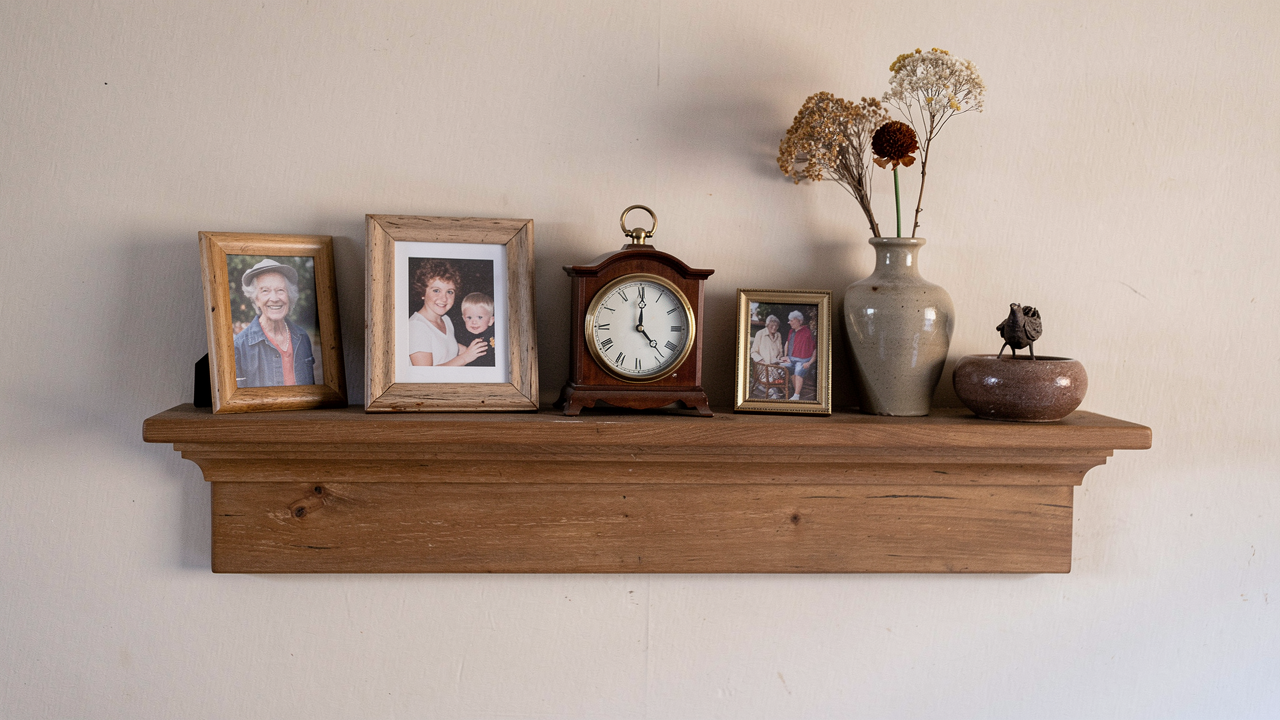
For most seniors, their home is the place where their life happened. It's where children were raised and holidays were hosted. It's where a spouse lived and, often, where a spouse died. The walls hold a version of themselves that still feels real—capable, independent, known.
To leave that place isn't just a logistical change. It's a confrontation with loss. Loss of the person they used to be. Loss of control over their own story. Loss of the last physical space that says: I built something here. I mattered here.
When you understand that, the resistance stops feeling like an obstacle and starts feeling like what it actually is—grief, dressed up as argument.
Fear of the Unknown Is Louder Than Any Brochure
Most seniors have a vivid but inaccurate picture of what a "nursing home" looks like—and that image was formed decades ago, when institutional care was very different. They imagine losing privacy, losing choices, losing themselves in a sea of identical hallways and scheduled routines.
What they don't know—because no one has shown them—is how dramatically senior living has evolved. Many communities today look nothing like that old picture. They're designed around connection, autonomy, and quality of life. But fear doesn't respond to facts. It responds to trust and experience.
This is why tours matter. Sitting down for lunch at a community, meeting the staff, seeing a real apartment—these experiences do more to shift perspective than any amount of logical argument ever will.
Control Is the Core Issue
At the center of most senior resistance is one fundamental fear: losing control. Aging already takes so much. Physical ability. Driving. Friends who have passed. To then hand over the decision about where you live—to feel like you are being managed rather than consulted—can feel like the final indignity.
The families who navigate this most successfully are the ones who find ways to give control back rather than take more of it away. That might look like:
- Letting your parent choose between two or three communities rather than presenting one "solution"
- Asking what they would need to feel good about a new place—and actually building those answers into the search
- Framing the move as a decision they are making, not one that is being made for them
- Going slowly enough that they feel like a participant, not a passenger
What Actually Works
Pushing harder rarely works. It usually produces more resistance, more conflict, and more distance between family members at exactly the moment when closeness matters most.
What works is patience, curiosity, and genuine listening. Ask your parent what they love about where they live now. Ask what they're afraid of losing. Ask—without an agenda—what a good life looks like to them at this stage. You might be surprised by what you hear.
In my years working with Portland-area families through senior transitions, I've found that most seniors aren't opposed to change. They're opposed to feeling invisible in the process. When they feel genuinely seen and consulted, the conversation almost always finds a way forward.
