Stay vs. Move: How to Make the Right Decision for Your Parent
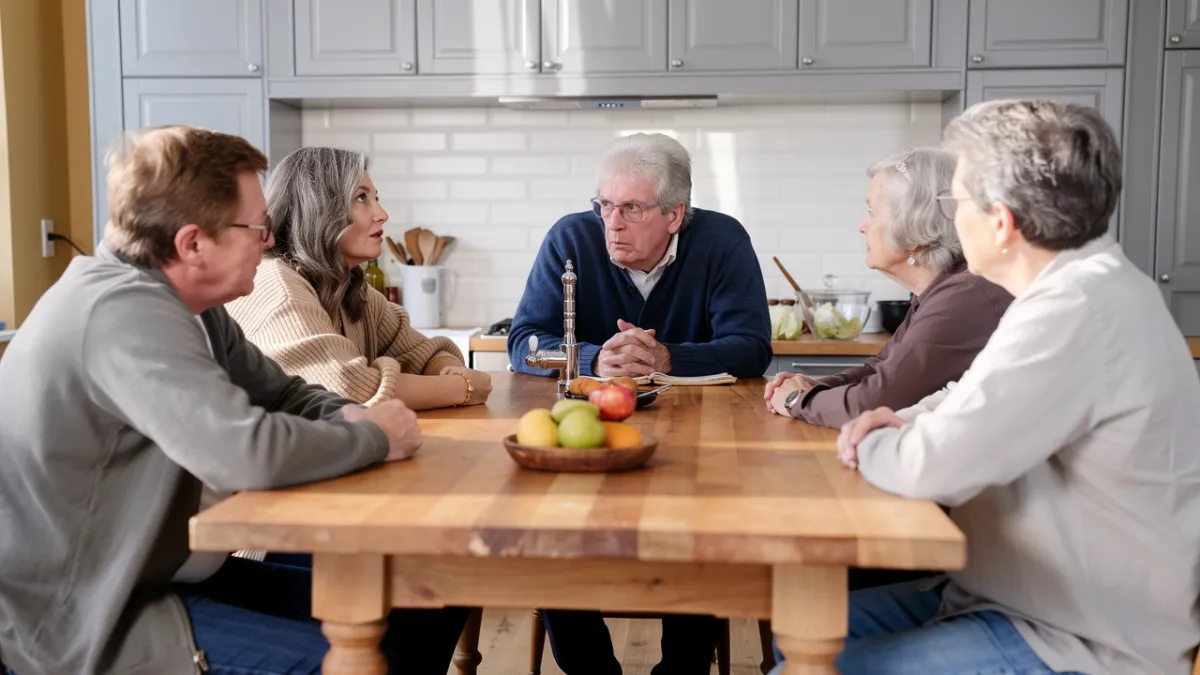
The question lands on every family eventually: should Mom stay in her home, or is it time to make a change? There's no algorithm for this. But there is a way to think through it clearly—one that weighs the real factors without getting overwhelmed by emotion, guilt, or fear.
This isn't about finding the "right" answer that works for everyone. It's about finding the right answer for your family, right now.
Start With an Honest Assessment of Current Safety
Before anything else, get clear on the safety picture. Not the idealized version—the real one. Ask yourself honestly:
- Is your parent managing meals, medications, and personal hygiene independently and safely?
- Have there been falls, near-falls, or unexplained injuries in the past year?
- Is the home itself a reasonable environment for aging—or does it have serious hazards (stairs, poor lighting, no grab bars)?
- Is your parent's cognitive function stable, or has it been declining?
- Are they socially connected, or are they increasingly isolated?
If the honest answers reveal safety concerns, that changes the calculus significantly. "Staying" is only a viable option if it can be made reasonably safe.
What "Aging in Place" Actually Requires
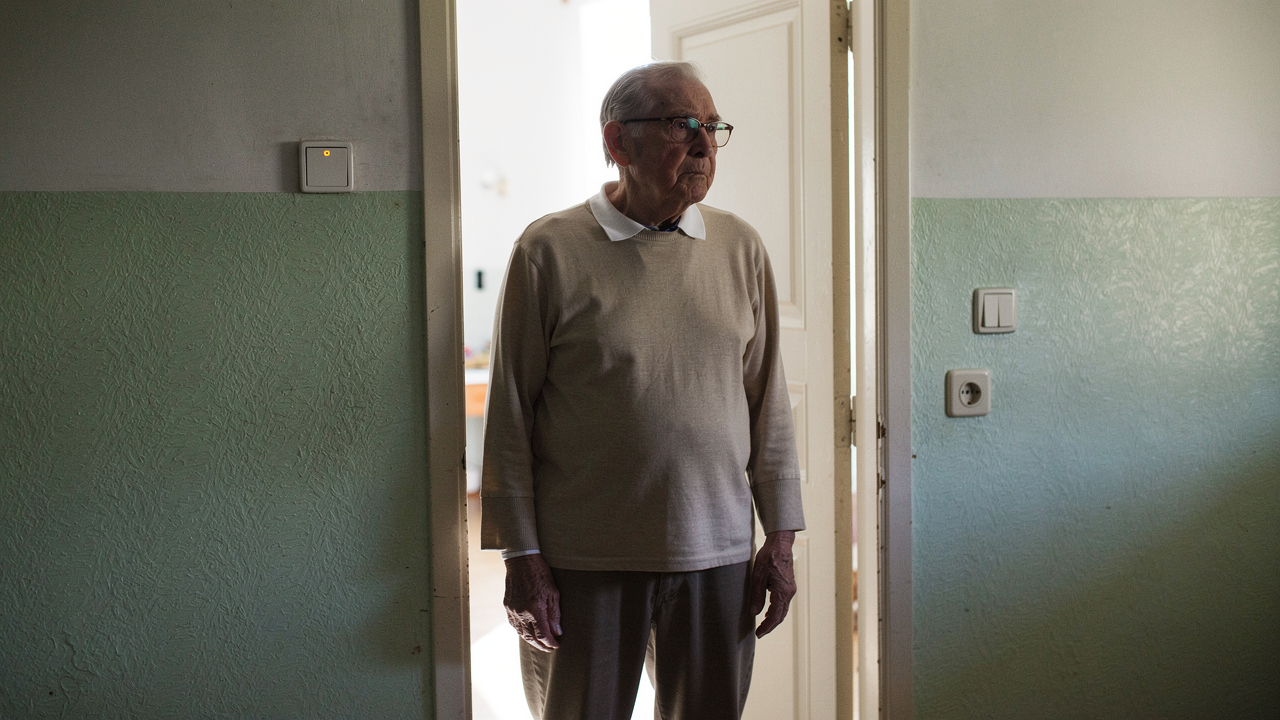
Staying home is a legitimate choice—but it's not a passive one. Aging in place successfully requires active, ongoing support. That means:
- In-home care services, which can range from a few hours a week to around-the-clock support—and which carry real costs
- Home modifications for accessibility and safety: grab bars, ramp installations, walk-in showers, better lighting
- Transportation solutions if driving is no longer safe or possible
- Social connection that doesn't happen organically when someone isn't leaving the house regularly
- Family availability to check in, coordinate care, and respond to emergencies
None of these are reasons not to age in place. But all of them need to be part of the plan—not afterthoughts discovered during a crisis.
When a Move Is the Better Choice
For many families, the honest conversation leads to the same conclusion: moving will provide a better quality of life, not just a safer one. That shift in framing matters.
A well-matched senior community isn't a consolation prize. It's a place where meals are prepared, activities are available, medical support is nearby, and—perhaps most importantly—there are other people around. Loneliness is one of the most significant health risks for older adults, and it's one that a community setting addresses directly.
The move becomes the right choice when the sum of what a community offers genuinely exceeds what staying home can provide—even with support services in place.
The Question Underneath the Question
Most families aren't just asking "stay or move?" They're asking something harder: "Am I doing right by my parent?" The guilt and the love are so intertwined that the practical decision feels morally loaded.
Here's what I've seen after working with hundreds of families in the Portland area: the families who feel best about this decision afterward are the ones who made it thoughtfully, with full information, and with their parent's voice genuinely included in the process. The choice they made mattered less than how they made it.
You don't have to figure out the answer alone. Having someone with deep knowledge of local options and a clear process to follow makes this decision feel manageable—because it is.
