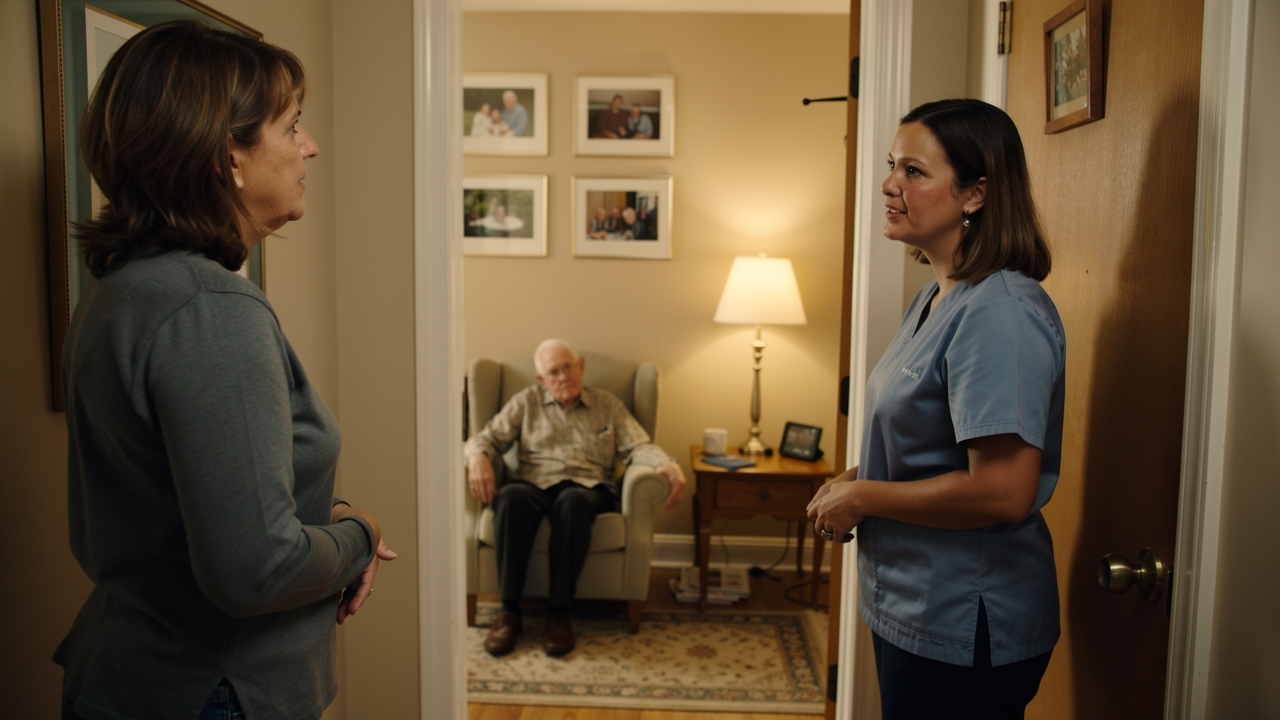
Finding a Good Adult Foster Home in Portland: What Families Don't Know to Ask
The call usually comes on a Thursday afternoon. A parent fell, or a spouse's dementia progressed faster than anyone expected, and now the hospital discharge planner is asking where your loved one will go next. You have maybe 48 hours to figure it out. This is not the time to start learning what an adult foster home is, let alone how to find a good one.
I've walked alongside dozens of Portland families navigating this exact scenario. The ones who fare best aren't necessarily wealthier or luckier—they simply started asking questions before the crisis forced their hand. If you're reading this while you still have time to plan, you're already ahead.
Understanding What Adult Foster Homes Actually Are
Adult foster homes in Oregon are licensed residential care facilities that serve up to five residents. Unlike large assisted living communities, they operate in regular homes throughout Portland's neighborhoods—in Sellwood bungalows, West Linn ranches, and everywhere in between. A caregiver, often the homeowner, provides 24-hour support including meals, medication management, and help with daily activities.
The intimacy of these settings can be their greatest strength or their most significant limitation, depending on the home and your loved one's needs. Some adult foster homes specialize in memory care. Others focus on physical rehabilitation or end-of-life support. The best operators have years of experience and genuine calling for this work. The worst are running a business they don't fully understand.
Oregon's licensing requirements provide a baseline, but licensure alone tells you very little about quality of care. I've seen licensed homes that were exceptional and licensed homes where I wouldn't leave my dog for the weekend. The difference comes down to factors no state inspection can measure: the caregiver's temperament, their staffing during overnight hours, how they handle difficult behaviors, whether residents seem genuinely comfortable or just compliant.
Questions Most Families Never Think to Ask
When families tour adult foster homes, they typically ask about cost, availability, and what's included. Those matter, but they're not what separates adequate care from good care.
Ask instead about staffing ratios during overnight hours. Many homes have just one caregiver for five residents between 10 PM and 6 AM. If your mother is a fall risk who needs bathroom assistance at 3 AM, you want to know whether help will actually be available or whether she'll be waiting while the caregiver attends to someone else.
Ask what happens when the primary caregiver is sick or takes vacation. Quality operators have trained backup staff who know the residents. Less organized homes scramble for coverage, bringing in someone unfamiliar who doesn't know your father's routines or triggers.
Ask how they handle behavioral changes. Dementia doesn't progress in a straight line. There will be difficult days, perhaps aggression or wandering or refusing care. You want a caregiver who has seen this before and responds with patience and skill, not one who calls you in a panic or, worse, gives notice that your loved one has to leave.
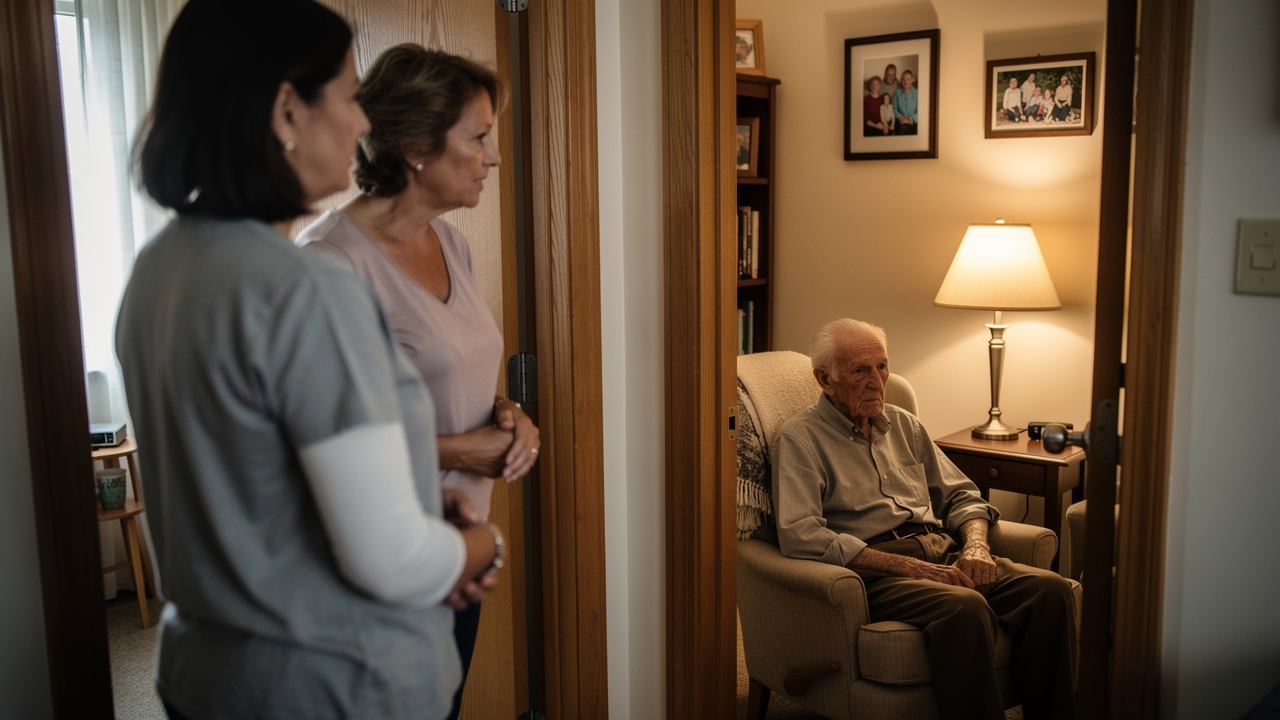
Ask about their relationship with hospice providers. Even if end-of-life care isn't on your radar today, it may be eventually. Some adult foster homes work seamlessly with hospice teams, allowing residents to stay in place through their final weeks. Others lack the training or willingness to provide that level of support.
And ask for references—not just from current families, but from local healthcare professionals who place patients there. Discharge planners, geriatric care managers, and home health nurses see the inside of these homes regularly. They know which ones they'd recommend for their own parents.
Building Your List Before You Need It
The Portland metro area has hundreds of licensed adult foster homes. Finding them requires more detective work than finding an apartment or even an assisted living facility. They don't advertise on Zillow. Most don't have websites. The good ones fill through word of mouth and professional referrals, and yes, they often have waitlists.
Start by talking to people who work in elder care locally. Geriatric care managers are particularly valuable—they've toured these homes, placed clients in them, and received feedback about how placements worked out over time. Your parent's physician may have suggestions. So might local senior centers or the Multnomah County Aging and Disability Services division.
If your family is also navigating a home sale as part of this transition, the professionals involved in that process often have networks worth tapping. I maintain relationships with elder care providers throughout the Portland area specifically because my clients need more than real estate help—they need a path through a complicated, emotional transition with many moving parts.
Tour at least three or four homes before making any decisions. Go at different times of day if possible. Pay attention to how residents interact with caregivers, whether the home smells clean, and how your gut responds to the environment. Your instincts matter here.
This is not a process that rewards rushing, but it's also not one you can afford to postpone indefinitely. The families I work with who start exploring options six months or a year before they need them consistently end up with better placements and less stress than those who begin their search from a hospital waiting room.
If you're facing a senior transition that involves both housing decisions and care decisions, I'm glad to share what I've learned from helping Portland families through this process. Reach out when you're ready to talk through your situation—I'll tell you honestly what I can help with and point you toward the right resources for everything else.
